Why Curiosity Is My Superpower
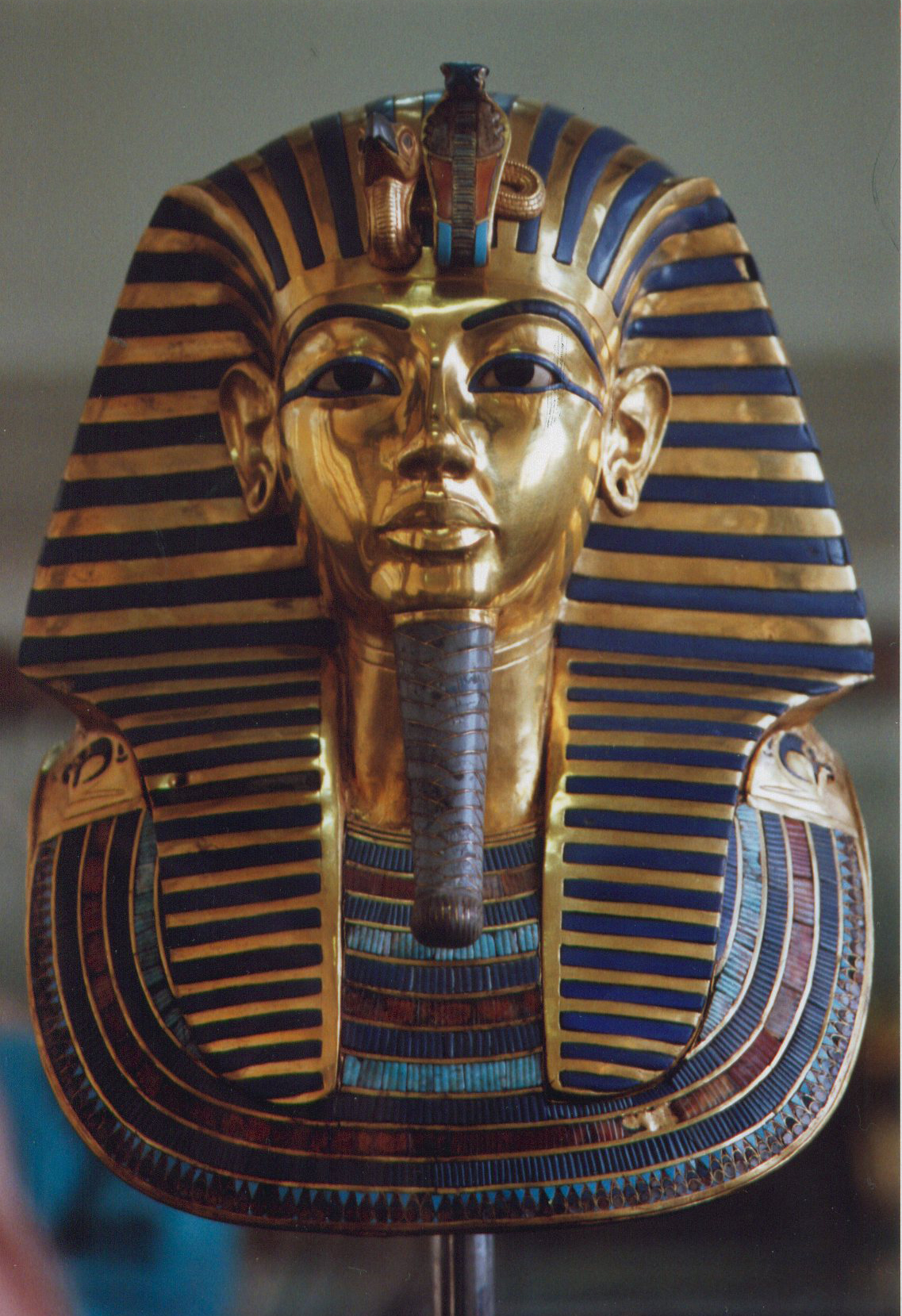
Ever wonder what it felt like to be an artist 4000 years ago? Did they have the same frustrations to be understood and not merely shoved in a box by their society?
It turns out that the nuances of terms like artist, maker, and craftsperson are not limited to English or to our current era. I’ve been reading Egypt’s Golden Couple: When Akhenaten and Nefertiti Were Gods on Earth by John Darnell and Colleen Darnell and came across this interesting bit of knowledge (found on page 200):
“The term hemou, “artist, craftsman,” applies to those who create from knowledge and expertise, as distinct from the more basic irou, “maker” or “fabricator.”
We can hear just such a ‘hemou’ in his own words, reaching out to us from long ago. The Darnells translate some of the hieroglyphic text by the artist Irtysen, found in one of the rock cut tombs in the necropolis at the ancient Egyptian city of Nekheb:
“As for all (applicable) magic – without anything escaping me have I acquired it. I am indeed a hemou-artist excellent in his craft, successful because of what he knows.”
– the translated words of ancient Egyptian artist Irtysen
These words resonate with me as I again look back over my body of work to select key images to share in my upcoming talk at Craft Meets Code in Berkeley next month.
Yes, it’s what we ‘know’ that leads to creating successful pieces, but for me to constantly be stepping outside the proverbial box in order to pioneer processes, curiosity is my superpower behind that knowledge.
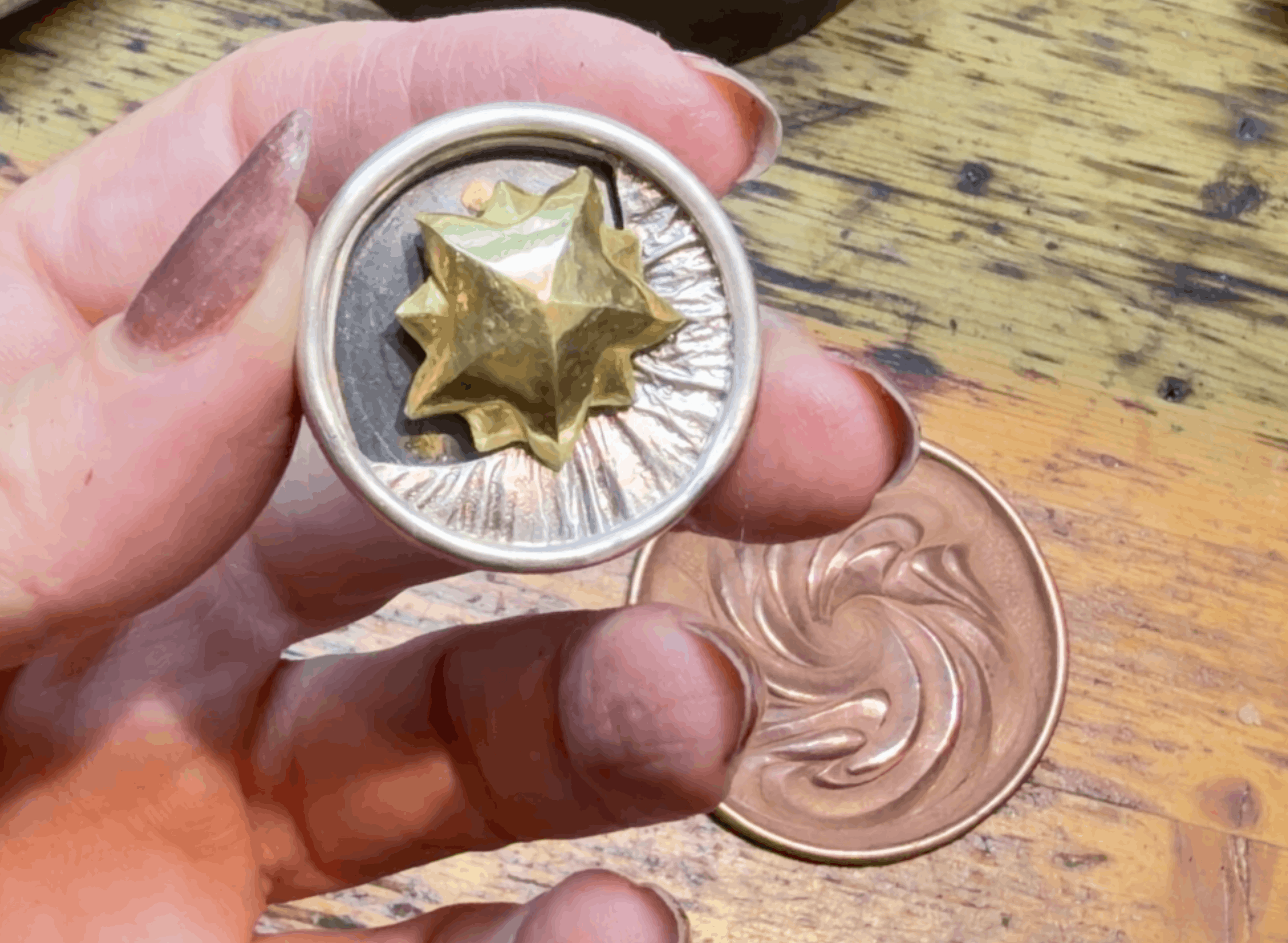
“What would happen if I ________,” constantly goes through my head as I’m working. Being endlessly curious makes me take risks. Sometimes things work as I want, and sometimes they don’t. Either way, I gain more knowledge to be that ‘hemou-artist.’
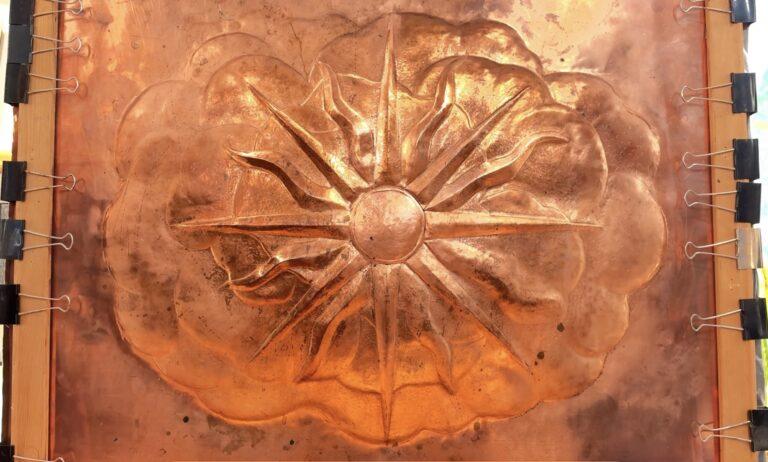
And on that super nerdy note, this is your last chance to join me and get your ancient Egyptian nerd on to learn the historical technique of Eastern repoussé. Hammering a pharaoh’s face is not required! Seriously, there’s no style or subject limit to the technique of Eastern repoussé. What you will gain is a deep knowledge to feed your curiosity and to hammer what you want with confidence.
This time next year, Rauni Higson MBE and I are planning to offer our Mirrored Forms course for which a working knowledge of Eastern Repoussé learned from me is a prerequisite. If you’re interested, and you haven’t yet studied Eastern repoussé with me, now’s your only chance before then!

Beginning & Intermediate Eastern Repoussé
September 11, 2026 – March 31, 2026
Eastern repoussé and chasing is an ancient, time-honored technique that allows you to sculpt intricate designs directly into metal with unparalleled depth and precision.